Menu


The First Opportunity to Challenge the State’s Evidence.
A DWI arrest in Texas can trigger two separate proceedings. Most people focus immediately on the criminal charge, but the Administrative License Revocation (ALR) process begins moving first and carries its own deadlines.
An ALR case is a civil proceeding administered by the Texas Department of Public Safety to determine whether a driver’s license or driving privilege will be suspended. The hearing can also provide an early opportunity to obtain evidence, challenge the legal basis for the detention and arrest, and question a properly subpoenaed officer under oath.
At Denuna & Westbrook, PLLC, we treat the ALR hearing as part of the overall DWI defense. The evidence and testimony developed there may expose weaknesses in the investigation long before the criminal case reaches trial.
The deadline depends on how notice of the proposed suspension is issued:
A blood-test notice may arrive weeks or months after the arrest. Drivers should monitor their mail and keep their address current with DPS. A blood result does not create a new deadline if the driver refused testing and received notice based on that refusal.
A timely request generally postpones the proposed ALR suspension while the case is pending. Unless another suspension, disqualification, or court order applies, the driver may ordinarily continue driving until the administrative law judge issues a decision.
DPS refers the case to the State Office of Administrative Hearings, commonly called SOAH. The parties receive notice of the hearing date and instructions for appearing. ALR hearings may be conducted by Zoom or through another authorized format.
If the judge sustains the suspension, it generally begins after the ruling. If DPS does not prove the required elements, the proposed suspension is denied. Neither result determines guilt or the outcome of the criminal DWI case.
DPS bears a civil burden of proof known as a preponderance of the evidence. The precise issues depend on whether the allegation is a failed test or a refusal.
In a breath- or blood-test failure case, DPS must establish the driver had an alcohol concentration at or above the applicable legal limit while operating a motor vehicle in a public place and that reasonable suspicion for the stop or probable cause for the arrest existed.
In a refusal case, the issues include the legal basis for the stop or arrest, probable cause to believe the driver was operating in a public place while intoxicated, whether the driver was arrested and properly requested to provide a specimen, and whether the driver refused that request.
These are not merely technical requirements. They overlap with central issues in the criminal defense, including the legality of the stop, the length and scope of the detention, probable cause, operation, the statutory warnings, and the circumstances surrounding the specimen request.
DPS may ordinarily present the officer’s sworn report and supporting records without calling the officer as a live witness. When live testimony would benefit the defense, the officer must be timely subpoenaed and properly served.
Questioning the officer may reveal inconsistencies, missing observations, unexplained gaps in the investigation, or departures from required procedures. The testimony is recorded and may later be compared with body-camera footage, dispatch records, police reports, field sobriety testing, warrant materials, and laboratory evidence.
A timely ALR hearing request can preserve your driving privileges while giving the defense an early opportunity to challenge the State’s evidence.
If a properly subpoenaed officer fails to appear without good cause, information obtained from that officer may be excluded. Depending on the circumstances, the defense may instead seek a continuance to pursue enforcement of the subpoena.
The ALR process may also provide early access to DPS records and other relevant materials. Even when DPS sustains the suspension, the discovery and recorded testimony can influence suppression issues, negotiations, expert review, and trial preparation in the criminal case.
For most drivers aged 21 or older, the potential suspension depends on the test allegation and whether the driving record contains a prior “enforcement contact” involving drugs or alcohol within the preceding ten years. This term refers to certain prior license actions or convictions connected to alcohol- or drug-related driving, including a prior test refusal, a prior failed breath or blood test, or a qualifying DWI-related suspension or conviction. The prior event may count even if the related criminal charge was dismissed or did not result in a conviction:
A qualifying enforcement contact is not limited to a prior DWI conviction. It may include a prior ALR suspension, test refusal, or test failure even when the related criminal case was dismissed or did not result in a conviction. The record should be reviewed to determine whether DPS is relying on a qualifying contact and applying the correct suspension period.
Drivers under 21 are subject to different suspension periods and additional zero-tolerance rules.
When a driver consents to a blood specimen, DPS may wait for the laboratory result before initiating a failed-test suspension. That delay can create a false impression that no administrative case will follow. Once DPS mails notice, the response period begins even though the arrest may have occurred months earlier.
A delayed result can affect the criminal case, as well. A reported alcohol concentration of 0.15 or greater may support enhancement of a first-offense DWI from a Class B to a Class A misdemeanor and can affect bond conditions, punishment exposure, and negotiations.
When a driver refuses and law enforcement later obtains blood through a warrant, the refusal notice controls the refusal-based ALR deadline. The later blood result does not restart that clock.
Commercial drivers face consequences beyond the suspension of an ordinary license. An ALR action may result in a separate CDL disqualification, and an occupational license does not authorize the operation of a commercial motor vehicle. The consequences may apply even when the alleged DWI occurred in a personal vehicle.
Because a CDL holder’s livelihood may be affected before the criminal case is resolved, the hearing deadline and the driver’s record should be reviewed immediately.
A driver may seek judicial review after an administrative law judge sustains an ALR suspension. The appeal must be filed within a short statutory period and is governed by a limited standard of review. Filing an appeal does not automatically preserve driving privileges in every case, so the effective date of the suspension and the requirements for any available stay must be evaluated promptly.
An appeal is not appropriate in every case. It may be worth considering when the ruling rests on a significant legal error or is not supported by the administrative record.
A driver whose license is suspended may qualify for an Occupational Driver’s License, commonly called an ODL. An ODL provides limited driving privileges for authorized purposes such as work, school, medical care, and essential household responsibilities.
Obtaining an ODL generally requires a court petition, proof of an essential need to drive, SR-22 insurance, payment of applicable filing and DPS fees, and compliance with restrictions in the court’s order. An ignition interlock is required in some cases, including when an existing bond order or qualifying conviction-based suspension requires one, but it is not mandatory in every ODL case.
Once a suspension becomes effective, driving without valid authorization can result in a separate charge under Texas Transportation Code § 521.457. The baseline offense is a Class C misdemeanor, but it may become a Class B or Class A misdemeanor depending on prior convictions, a prior DWI-related suspension, insurance status, and whether a serious collision occurred.
A new charge while a DWI case is pending may also affect bond conditions and the court’s evaluation of the pending case. Before driving, the person should confirm that the license remains valid or that a signed ODL order authorizes the trip.
Is the ALR hearing separate from the DWI case?
Yes. The ALR case is civil and administrative, while the DWI prosecution is criminal. The underlying facts may overlap, but the proceedings have different burdens, procedures, and outcomes.
Will winning the ALR hearing dismiss the DWI case?
No. Winning prevents the proposed administrative suspension, but it does not dismiss the criminal charge. The ruling, evidence, and testimony may nevertheless assist the criminal defense.
Do I have to stop driving as soon as I am arrested?
Not necessarily. A DIC-25 ordinarily serves as a temporary driving permit, and a timely hearing request generally postpones the proposed ALR suspension. Another suspension, disqualification, or court order may still restrict driving.
Does the arresting officer automatically testify?
No. DPS may rely on the officer’s sworn report and supporting records. The defense must timely subpoena and properly serve the officer when live testimony is sought.
What happens if I miss the hearing-request deadline?
In most cases, DPS imposes the suspension and the opportunity to contest it through the ALR process is lost. The driver should then evaluate eligibility for an ODL and any available review immediately.
What if I refused testing but police obtained a blood warrant?
The refusal notice generally triggers the 15-day deadline. A later blood result does not restart that deadline, although it may affect the criminal charge and defense.
Can I drive a commercial vehicle with an ODL?
No. An occupational license does not authorize operation of a commercial motor vehicle and does not eliminate a CDL disqualification.
The ALR deadline arrives quickly. Acting in time can preserve the right to challenge the suspension, postpone its effective date while the hearing is pending, and create an early opportunity to examine evidence relevant to the DWI defense.
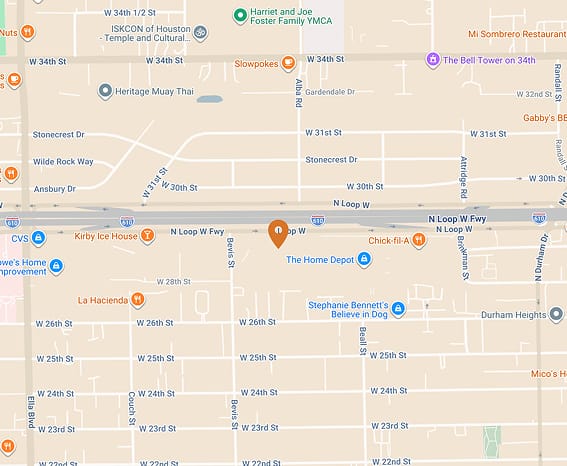
Denuna & Westbrook, PLLC represents individuals facing ALR proceedings throughout Houston and the Gulf Coast region, including Harris County, Fort Bend County, Montgomery County, Galveston County, Brazoria County, and Waller County.
Call 713-966-0253, email info@texasdwlaw.com, or reach out online to schedule a confidential consultation.
© 2026 Denuna & Westbrook, PLLC
| View Our Disclaimer | Privacy Policy
Law Firm Website Design by The Modern Firm